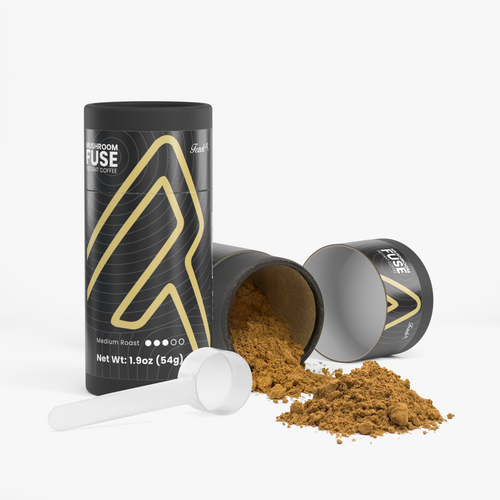
Endurance athletes and long-distance runners rely on more than just mileage and training plans; nutrition is a decisive factor that can turn a good performance into a great one. The right combination of macronutrients, electrolytes, and targeted supplements supports energy production, delays fatigue, and promotes faster recovery. Understanding which supplements complement a balanced diet, and how to integrate them safely, helps athletes maintain peak output over hours of sustained effort.
Key Nutritional Challenges for Endurance Performance
During prolonged activity, the body faces several physiological stressors that must be managed through nutrition:
- Glycogen depletion: Muscle glycogen stores can dwindle after 60-90 minutes of moderate-intensity effort, leading to a drop in performance.
- Electrolyte loss: Sweat removes sodium, potassium, magnesium, and calcium, increasing the risk of cramping and hyponatremia.
- Oxidative stress: Elevated free-radical production can damage cells and impair recovery.
- Muscle protein breakdown: Extended sessions increase catabolism, making post-exercise protein intake essential.
Core Supplements for Endurance Athletes
1. Carbohydrate Powders and Gels
Rapidly digestible carbs replenish glycogen and maintain blood glucose levels. Ideal products contain a blend of glucose, maltodextrin, and fructose for optimal absorption.
- Consume 30-60″?g of carbs per hour of exercise.
- Choose formulas with electrolytes to address simultaneous sodium loss.
- For practical usage, see the guide on Discover expert strategies here.
2. Electrolyte Supplements
Maintaining electrolyte balance prevents cramping and supports nerve function. Look for products that provide sodium (300-600″?mg per hour), potassium, magnesium, and calcium.
- Powders that dissolve in water are convenient for on-the-go hydration.
- Consider capsule forms for cooler climates where liquid intake is limited.
- Read more about tailored electrolyte solutions at Learn about our tailored solutions.
3. Beta-Alanine
Beta-alanine increases muscle carnosine levels, buffering hydrogen ions that cause acidity during high-intensity intervals within longer workouts.
- Typical dosage: 2-5″?g per day, divided into smaller doses to avoid paresthesia.
- Loading phase of 4-6 weeks yields noticeable performance gains.
- Further reading on its benefits can be found in Explore advanced guides and tips.
4. Beetroot Juice / Nitrate Supplements
Nitrates enhance nitric oxide production, improving blood flow and reducing oxygen cost of exercise.
- Consume 300-600″?ml of beetroot juice 2-3 hours before training.
- Standardized nitrate capsules offer a mess-free alternative.
- Find detailed protocols at Find out more about this approach.
5. Branched-Chain Amino Acids (BCAAs) and Essential Amino Acids (EAAs)
While whole-protein sources are preferred post-exercise, intra-workout BCAAs can reduce central fatigue and support muscle preservation.
- Typical dose: 5-10″?g during long sessions.
- Combine with carbohydrate intake for synergistic glycogen sparing.
6. Vitamin D and Omega-3 Fatty Acids
Both nutrients aid in inflammation control and joint health, crucial for athletes logging high weekly mileage.
- Vitamin D: 1000-2000″?IU daily, especially in low-sunlight seasons.
- Omega-3 (EPA/DHA): 1-2″?g daily from fish oil or algae sources.
Timing and Integration Strategies
Effective supplementation hinges on timing relative to training sessions and meals.
- Pre-exercise (30-60″?min): Simple carbs, nitrates, and a small dose of beta-alanine.
- During exercise: Carb-electrolyte mix every 45-60″?min; optional BCAAs for sessions >2″?hours.
- Post-exercise (within 30″?min): 3:1 ratio of carbs to protein (e.g., 60″?g carbs + 20″?g whey), plus electrolytes and omega-3s.
- Daily baseline: Vitamin D, omega-3s, and consistent electrolyte intake regardless of training.
Safety Considerations and Best Practices
Even reputable supplements can cause issues if misused. Follow these guidelines to minimize risk:
- Consult a sports-medicine professional before starting new products, especially if you have pre-existing conditions.
- Start with the lowest effective dose to assess tolerance.
- Choose third-party tested brands to avoid contamination.
- Maintain a food-first approach; supplements should fill gaps, not replace whole foods.
Putting It All Together: A Sample Daily Plan
- Morning (07:00): Light breakfast with oatmeal, banana, and 20″?g whey protein. Add 1000″?IU vitamin D.
- Pre-run (09:30): 30″?g maltodextrin-fructose drink with 300″?mg sodium; 2″?g beta-alanine.
- During run (10:30-13:00): Every 45″?min, sip 150″?ml carb-electrolyte mix; after 2″?hours, add 5″?g BCAAs.
- Post-run (13:15): Recovery shake: 60″?g carbs, 20″?g whey, 5″?g creatine, 1″?g omega-3; rehydrate with 500″?ml water + electrolytes.
- Evening (19:00): Balanced dinner with lean protein, complex carbs, and vegetables; finish with 1″?g omega-3 supplement.
Conclusion
For endurance athletes and runners, supplement selection is a science-driven process that complements a well-structured diet and training regimen. By targeting glycogen replenishment, electrolyte balance, oxidative protection, and muscle recovery, athletes can sustain higher intensities for longer periods while reducing the risk of injury. Continuous education and personalized experimentation remain essential; resources such as Discover expert strategies here and Explore advanced guides and tips provide the latest evidence-based recommendations to keep performance on an upward trajectory.
About the Author