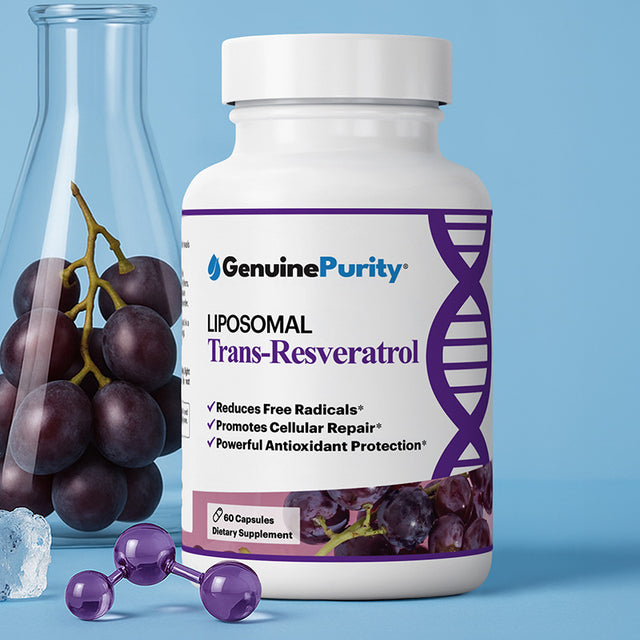
Resveratrol has become a staple in the conversation about longevity, cellular health, and overall well-being. With a surge of products on the market, consumers often wonder which format, capsules, traditional pills, or the newer liposomal trans-resveratrol, delivers the most reliable benefits. This guide breaks down the science, absorption mechanisms, and practical considerations for each option, helping you make an informed purchase decision without the hype.
Understanding Resveratrol: Forms and Bioavailability
Resveratrol is a polyphenolic compound found naturally in grapes, berries, and peanuts. Its antioxidant and anti-inflammatory properties have been linked to cardiovascular health, neuroprotection, and metabolic regulation. However, the molecule’s effectiveness hinges on how well it reaches target cells, a factor known as bioavailability.
Why Bioavailability Matters
- Absorption Rate: Only a fraction of orally ingested resveratrol survives the harsh environment of the stomach and first-pass metabolism in the liver.
- Stability: Light, heat, and pH can degrade the compound before it’s absorbed.
- Delivery System: Formulations that protect resveratrol and facilitate transport across the intestinal wall improve overall efficacy.
Resveratrol Capsules
Capsules are the most common delivery method and typically contain powdered resveratrol blended with fillers or binders. They are convenient, cost-effective, and easy to dose.
Pros
- Simple manufacturing process leads to lower price points.
- Standardized dosing makes it easy to track intake.
- Suitable for those who prefer a traditional supplement format.
Cons
- Limited protection against gastric acid can reduce the amount that reaches circulation.
- Absorption rates often range between 5-10%, requiring higher doses for measurable effects.
- Potential for filler-related sensitivities.
For readers interested in a deeper dive on optimizing supplement routines, Discover expert strategies here provides evidence-based recommendations.
Resveratrol Pills
Pills, sometimes marketed as “tablets,” are compressed forms of resveratrol that may include additional excipients to aid disintegration and absorption.
Pros
- Compact shape can be easier to swallow for some users.
- Manufacturers often incorporate enteric coatings to bypass stomach acidity.
- Consistent tablet weight ensures uniform dosing.
Cons
- Coating can add cost and may not significantly improve bioavailability.
- Harder tablets can take longer to dissolve, delaying absorption.
- Potential for “tablet fatigue” when taking multiple supplements.
To explore how tablet formulations compare with other delivery methods, Learn about our tailored solutions offers a side-by-side analysis.
Liposomal Trans-Resveratrol
Liposomal technology encapsulates resveratrol within phospholipid vesicles, creating a protective nano-carrier that mimics cell membranes. This approach is designed to enhance stability and dramatically improve absorption.
How Liposomal Delivery Works
- Encapsulation: Resveratrol molecules are trapped inside a lipid bilayer, shielding them from digestive enzymes.
- Fusion: Liposomes merge with intestinal cell membranes, delivering the active compound directly into the bloodstream.
- Increased Surface Area: Nano-sized particles provide a larger interface for absorption.
Benefits
- Bioavailability can exceed 50%, a ten-fold increase over standard capsules.
- Reduced dosage requirements lower the risk of gastrointestinal irritation.
- Stability across a broader pH range preserves potency.
Considerations
- Higher production costs translate to a premium price.
- Storage conditions (cool, dark environment) are more critical to maintain liposome integrity.
- Not all liposomal products are created equal; verification of phospholipid quality is essential.
For a comprehensive guide on selecting a high-quality liposomal formulation, Explore advanced guides and tips that outline third-party testing standards and ingredient sourcing.
Choosing the Right Format for Your Needs
When deciding between capsules, pills, or liposomal trans-resveratrol, consider the following decision matrix:
- Budget Constraints: Capsules generally offer the most economical entry point.
- Absorption Priorities: If maximizing bioavailability is paramount, liposomal delivery is the clear leader.
- Convenience & Lifestyle: Pills may fit better into a routine that already includes tablet-based supplements.
- Health Sensitivities: Those with digestive sensitivities might benefit from the gentler release profile of liposomal products.
Practical Tips for Maximizing Resveratrol Benefits
- Take resveratrol with a small amount of healthy fat (e.g., olive oil or avocado) to aid lipid-soluble absorption.
- Avoid concurrent high-dose antioxidants that could compete for the same transport pathways.
- Store liposomal supplements in a cool, dark place to preserve vesicle integrity.
- Start with a lower dose and monitor how your body responds before scaling up.
For ongoing research updates and nuanced application strategies, Find out more about this approach and stay aligned with the latest scientific consensus.
Conclusion
Resveratrol remains a promising compound for supporting cellular health, but its impact is heavily influenced by the delivery system. Traditional capsules and pills provide accessibility and affordability, yet they fall short in delivering the molecule efficiently. Liposomal trans-resveratrol, while more costly, offers a substantial boost in bioavailability, making it a compelling choice for those seeking measurable results. By weighing budget, lifestyle, and absorption goals, consumers can select the format that best aligns with their health objectives and enjoy the full potential of this remarkable polyphenol.
About the Author