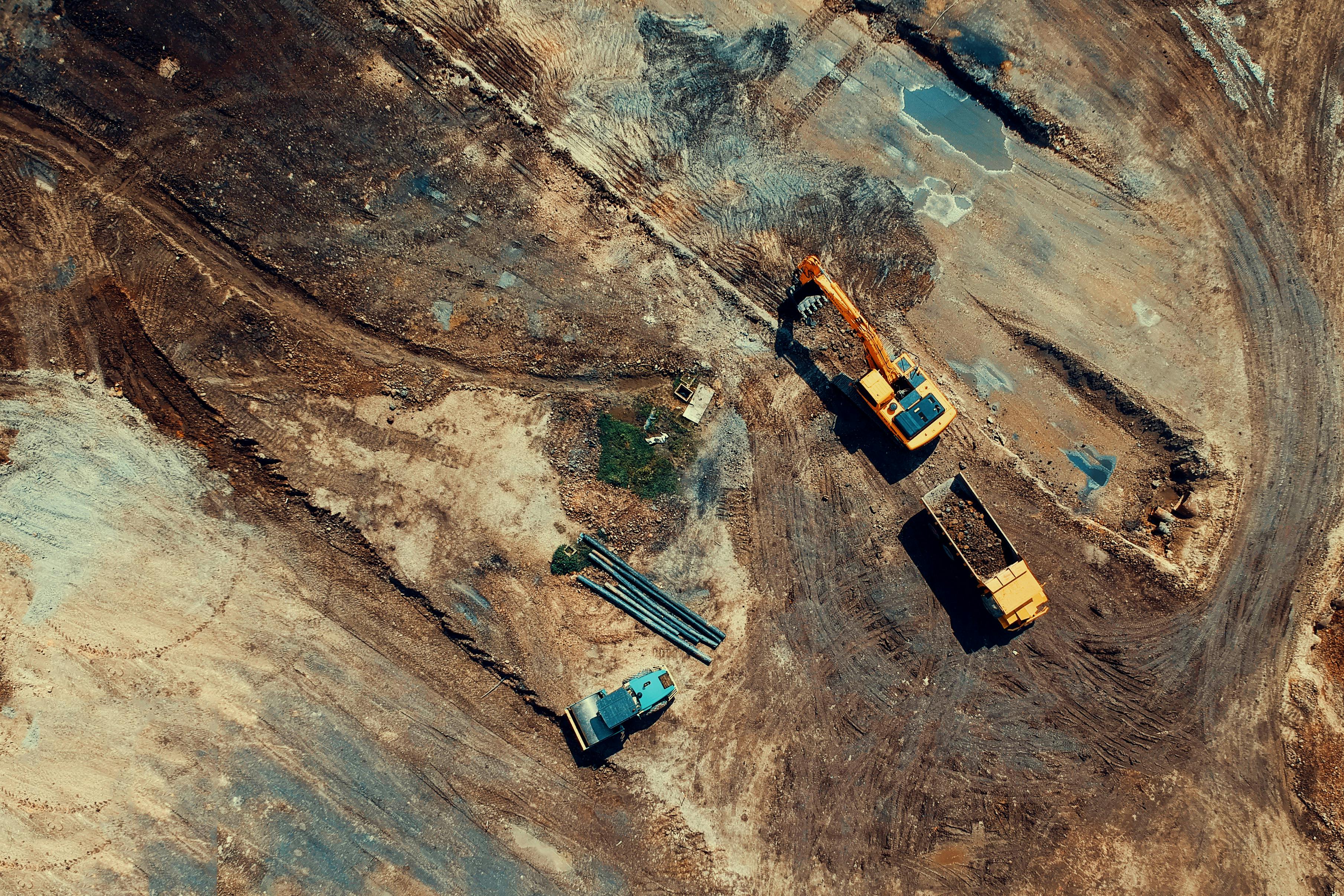
Ground contamination and degraded soils pose significant risks to human health, ecosystems, and property values. Effective remediation restores site usability, complies with regulatory standards, and protects the environment for future generations. This guide outlines the fundamentals of ground contamination remediation, explores the most reliable soil remediation techniques, and provides practical insight into selecting qualified soil remediation companies for successful project outcomes.
Understanding Ground Contamination
Contamination can arise from industrial activities, improper waste disposal, agricultural chemicals, or accidental spills. Common contaminants include heavy metals (lead, mercury), petroleum hydrocarbons, solvents, and volatile organic compounds (VOCs). The extent of contamination is typically determined through a phased investigation:
- Historical site review
- Preliminary sampling and screening
- Detailed characterization (soil, groundwater, vapor)
Key Steps in Remediation Planning
1. Site Assessment and Risk Evaluation
A thorough risk assessment identifies exposure pathways (ingestion, inhalation, dermal contact) and quantifies potential impacts on receptors such as residents, workers, and wildlife. This step informs the selection of appropriate remedial actions and helps prioritize areas for treatment.
2. Defining Remediation Objectives
Objectives are set based on regulatory limits, future land use, and stakeholder expectations. Typical goals include:
- Reducing contaminant concentrations below statutory thresholds
- Eliminating or controlling exposure pathways
- Restoring ecological function
3. Selecting a Remediation Strategy
Choosing the right technique involves balancing effectiveness, cost, time, and site constraints. Engaging experienced soil remediation companies near me can streamline this decision-making process.
Common Soil Remediation Techniques
Excavation and Off-Site Disposal
The most straightforward method, physically removing contaminated soil and transporting it to a licensed treatment or disposal facility. It is ideal for hotspots with high contaminant concentrations or when rapid risk reduction is required. Look for reputable contaminated soil removal companies to ensure compliance with transportation and disposal regulations.
In-Situ Chemical Oxidation (ISCO)
Injecting oxidizing agents (e.g., permanganate, persulfate) directly into the subsurface to break down organic contaminants. Benefits include minimal disturbance and rapid degradation of petroleum hydrocarbons and chlorinated solvents.
Bioremediation
Utilizing microorganisms to metabolize contaminants into harmless by-products. Techniques include:
- Bioventing – supplying oxygen to stimulate aerobic microbes
- Biostimulation – adding nutrients or electron donors
- Bioaugmentation – introducing specialized microbial strains
This approach is cost-effective for large areas with biodegradable contaminants.
Soil Vapor Extraction (SVE)
SVE applies a vacuum to capture volatile contaminants from the unsaturated zone, then treats the vapors via carbon adsorption or thermal oxidation. It is commonly paired with ground water remediation for integrated cleanup.
Thermal Desorption
Heating soil to volatilize contaminants, which are then collected and treated. This method is suitable for soils with high concentrations of semi-volatile organic compounds (SVOCs) and can be performed on-site or in a mobile unit.
Groundwater Remediation Considerations
Groundwater often acts as a secondary pathway for contaminants leached from soil. Effective soil and groundwater remediation typically combines one or more of the following technologies:
- Pump-and-Treat – extracting contaminated water for above-ground treatment
- In-Situ Chemical Reduction – using reducing agents to immobilize metals
- Permeable Reactive Barriers – installing reactive media to treat groundwater as it flows
Evaluating and Selecting Remediation Professionals
Choosing the right partner is critical for project success. Consider the following criteria:
- Relevant experience with the specific contaminant class
- Demonstrated compliance with local, state, and federal regulations
- Availability of advanced monitoring and reporting tools
- Transparent cost structures and realistic timelines
Professional directories and industry certifications can help locate reputable soil remediation providers.
Monitoring, Verification, and Long-Term Management
Post-remediation monitoring confirms that cleanup goals have been achieved and that contaminant levels remain stable. Typical activities include:
- Periodic soil and groundwater sampling
- Installation of passive monitoring wells
- Performance reporting to regulatory agencies
Long-term institutional controls, such as land-use restrictions or engineered caps, may be required to prevent future exposure.
Conclusion
Ground contamination remediation and soil remediation techniques have evolved to offer flexible, cost-effective solutions for a wide range of pollutants. By understanding the contamination profile, setting clear objectives, and selecting proven technologies, stakeholders can achieve sustainable site restoration. Partnering with knowledgeable ground contamination remediation specialists ensures that projects meet regulatory standards while protecting public health and the environment.
About the Author