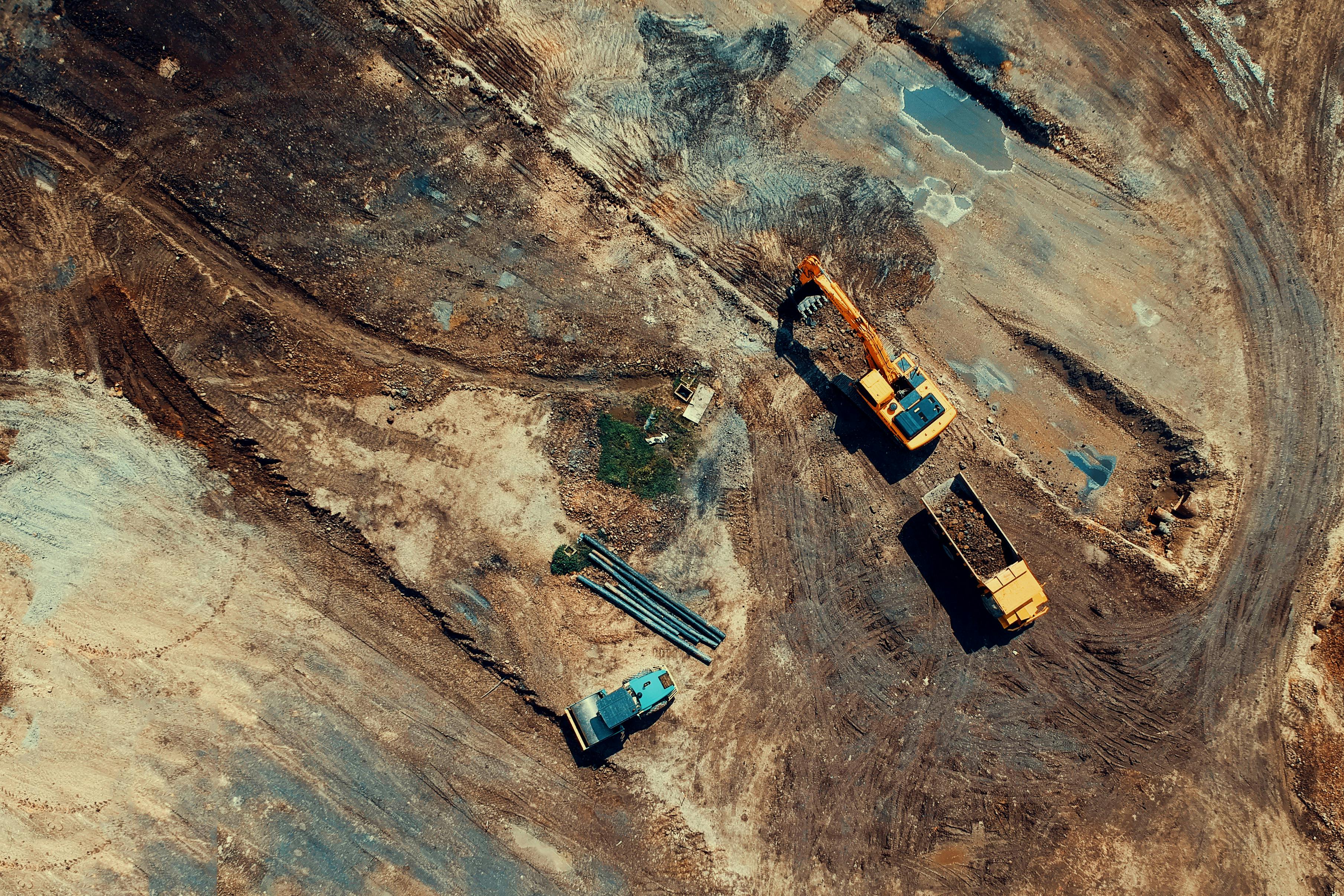
Identifying potential environmental liabilities before a property transaction or development project begins can save time, money, and reputation. Conducting a Phase One Environmental Inspection early in the process provides a systematic evaluation of historical and current site conditions, helping stakeholders make informed decisions and mitigate risk. By integrating this assessment at the outset, developers, investors, and lenders gain clarity on regulatory compliance, future remediation costs, and the overall feasibility of a project, ultimately supporting smoother transactions and more sustainable outcomes.
Understanding the Scope of a Phase One Environmental Inspection
A Phase One Environmental Inspection, often referred to as a phase 1 environmental assessment, is a comprehensive review of a property’s historical use, surrounding land activities, and potential sources of contamination. The process typically includes:
- Review of historical aerial photographs, land use maps, and property records.
- On-site visual inspection to identify signs of contamination such as stained soils, stressed vegetation, or storage tanks.
- Interviews with current and former owners, occupants, and local government officials.
- Evaluation of regulatory databases for known releases, permits, and violations.
Key Benefits of Early Implementation
1. Risk Identification and Cost Control
Detecting environmental concerns at the earliest stage prevents costly surprises later in the project lifecycle. Early findings enable:
- Negotiation of purchase price adjustments or contingencies based on identified liabilities.
- Strategic planning for remediation, which can be scheduled during pre-construction phases to avoid delays.
- Reduced financing risk, as lenders often require proof of a clean environmental record before committing funds.
2. Streamlined Due Diligence Process
When a thorough phase one environmental study is completed early, it becomes a foundational document for all subsequent due diligence activities. This accelerates:
- Legal reviews, by providing clear evidence of site conditions.
- Regulatory approvals, as agencies can reference the assessment to verify compliance.
- Engineering and design work, allowing architects and engineers to incorporate mitigation measures from the start.
3. Enhanced Stakeholder Confidence
Investors, partners, and community members place greater trust in projects backed by solid environmental data. Early transparency demonstrates a commitment to responsible development and can improve public perception, facilitating smoother permitting and community engagement.
Strategic Timing for the Inspection
Integrating the Phase One assessment at the conceptual or pre-acquisition stage yields the greatest advantage. The optimal timing includes:
- Pre-Purchase: Conduct the inspection before signing any purchase agreement to uncover hidden liabilities.
- During Feasibility Studies: Align the assessment with market analysis and financial modeling to ensure realistic budgeting.
- Prior to Financing: Provide lenders with a documented environmental baseline, reducing the likelihood of loan conditions or additional collateral requirements.
Regulatory and Legal Considerations
Environmental regulations such as the Comprehensive Environmental Response, Compensation, and Liability Act (CERCLA) and state-specific statutes impose strict liability on property owners for contamination. Early Phase One assessments help ensure compliance with:
- State environmental reporting thresholds.
- Local zoning and land-use ordinances.
- Federal guidelines for hazardous waste management.
By documenting the site’s condition before acquisition, owners can establish a “clean-hands” defense, demonstrating that they exercised due diligence and were unaware of any contamination at the time of purchase.
Best Practices for Conducting an Early Phase One Inspection
- Select Qualified Professionals: Engage environmental consultants with proven experience in Phase One assessments and familiarity with local regulatory frameworks.
- Utilize Comprehensive Data Sources: Combine historical records, GIS data, and on-site observations for a thorough analysis.
- Document Findings Rigorously: Provide a detailed report that includes photographs, maps, and a clear statement of potential Recognized Environmental Conditions (RECs).
- Plan for Follow-Up Actions: If RECs are identified, outline next steps such as Phase Two investigations, remediation plans, or risk-based decision making.
Conclusion
Incorporating a Phase One Environmental Inspection early in a development or acquisition process is not merely a regulatory checkbox; it is a strategic investment that safeguards financial resources, streamlines project timelines, and reinforces stakeholder confidence. By proactively identifying environmental risks, decision-makers can negotiate smarter deals, allocate remediation budgets efficiently, and maintain compliance with complex environmental statutes. The result is a more resilient project foundation, reduced exposure to unforeseen liabilities, and a clearer path toward successful, sustainable development.
About the Author