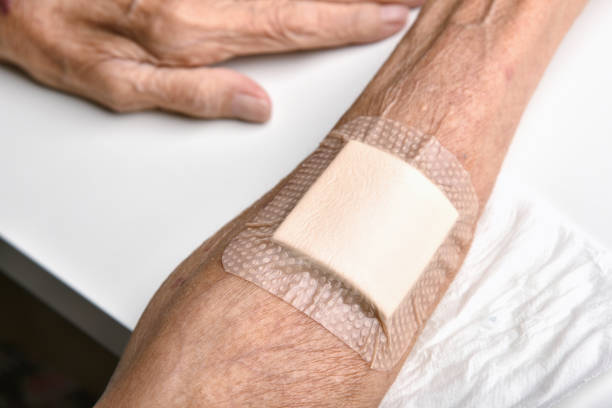
The importance of effective wound care cannot be overstated in the field of healthcare. Whether dealing with minor cuts or surgical incisions, the right approach to wound management is crucial for healing and preventing complications. Medical tapes play a pivotal role in this process, offering essential support in securing dressings and holding bandages in place. From medical tapes to specialized surgical tape, the choice of tape can significantly influence healing outcomes. This article delves into the essential role of medical tapes in wound care, exploring their types, applications, and benefits.
Types of Medical Tapes
Medical tapes come in various forms, each designed to meet specific needs within wound care. Understanding the differences can help in selecting the most appropriate option for each situation.
Adhesive Tapes
- Adhesive tape for skin is commonly used due to its strong sticking ability.
- It provides a reliable hold, essential for keeping bandages in place over extended periods.
- Adhesive tapes are often hypoallergenic, minimizing the risk of skin irritation.
Surgical Tapes
- Surgical medical tape is specifically designed for use during and after surgeries.
- It is crucial for securing surgical dressings without causing additional trauma to the skin.
- The tapes are typically easy to tear, facilitating quick application and removal.
Waterproof Tapes
- These are ideal for situations where the wound might be exposed to moisture.
- They provide a durable barrier, preventing water from compromising the wound site.
Applications of Medical Tapes in Wound Care
The application of medical tapes extends beyond simple adhesion. Their role is multifaceted, contributing to effective wound management in several ways.
Securing Dressings
Wound dressing tape is instrumental in keeping dressings secure, ensuring they remain in place to protect the wound from contaminants.
Reducing Skin Trauma
Products like surgical tape for wounds are designed to minimize trauma upon removal, an essential feature for patients with sensitive skin or those requiring frequent dressing changes.
Facilitating Healing
- Tapes help maintain a moist environment conducive to healing.
- They keep the wound edges together, promoting quicker recovery.
Benefits of Using Medical Tapes
Medical tapes offer several advantages that make them indispensable in wound care.
- Versatility: Suitable for a wide range of applications, from securing IV lines to holding post-surgical dressings.
- Cost-Effective: Provides a practical solution that contributes to cost savings in medical settings.
- Comfort: Designed to be gentle on the skin, enhancing patient comfort during use.
- Ease of Use: Many tapes can be easily torn by hand, facilitating quick and efficient application.
Conclusion
In the realm of wound care, the strategic use of medical tape for wounds is indispensable. From providing stability to facilitating healing, these tapes are a cornerstone of effective wound management. Understanding the various types and their applications enables healthcare professionals to make informed decisions, ensuring optimal outcomes for patients. As the field of wound care continues to evolve, the role of wound care tape remains crucial, underscoring its importance in both routine and complex medical procedures.
About the Author