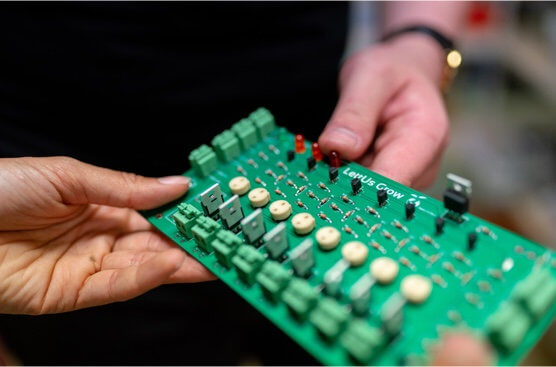
In the fast-paced world of electronics manufacturing, achieving efficiency and reducing costs are paramount. Design for Manufacturing (DFM) strategies play a crucial role in bridging the gap between design and production, ensuring that products are not only innovative but also manufacturable at scale. DFM development services guide companies in optimizing product designs to meet manufacturing capabilities, thus streamlining the entire production process. By integrating these strategies early in the design phase, manufacturers can significantly enhance product quality and reduce time-to-market.
Understanding Design for Manufacturing (DFM)
Design for Manufacturing is a systematic approach that simplifies the manufacturing process of electronic components. It involves designing products with practical manufacturing considerations in mind. This approach minimizes complexities and anticipates potential production issues, which can lead to more cost-effective and efficient manufacturing processes. Discover expert strategies here.
Key Benefits of DFM in Electronics Manufacturing
Implementing DFM strategies in electronics manufacturing offers several advantages:
- Cost Reduction: By designing products that are easier to manufacture, companies can lower production costs.
- Enhanced Quality: Optimized designs lead to fewer defects and higher-quality products.
- Faster Time-to-Market: Streamlined processes enable quicker production cycles and faster delivery to market.
- Improved Communication: Encourages collaboration between design and manufacturing teams, leading to more cohesive project outcomes.
For more insights on the benefits and application of DFM, learn about our tailored solutions.
Incorporating DFM into Product Development
Integrating DFM principles into the product development lifecycle is essential for achieving manufacturing efficiency. This requires a detailed understanding of both design and manufacturing processes. Key steps include:
- Early Collaboration: Engaging manufacturing teams during the design stage to identify potential production challenges.
- Iterative Testing: Conducting iterative tests and simulations to refine designs for manufacturability.
- Material Selection: Choosing materials that align with manufacturing capabilities and product requirements.
- Standardization: Utilizing standardized components to simplify production and reduce costs.
Explore advanced guides and tips on incorporating DFM into product development processes.
Challenges in Implementing DFM
While DFM offers numerous benefits, its implementation can present challenges. Common hurdles include:
- Complex Designs: Some products are inherently complex, making simplification difficult without compromising functionality.
- Resistance to Change: Teams may be resistant to altering established design practices.
- Resource Limitations: Limited access to skilled professionals or advanced tools can hinder DFM adoption.
To better understand how to overcome these challenges, find out more about this approach.
Conclusion
Incorporating DFM development services in electronics manufacturing is a strategic move towards enhanced productivity, quality, and cost-efficiency. By addressing potential production issues during the design phase, companies can achieve smoother manufacturing processes and deliver superior products to the market. For manufacturers seeking to optimize their production lines, understanding and applying DFM principles is a step towards sustaining competitive advantage in the industry.
About the Author