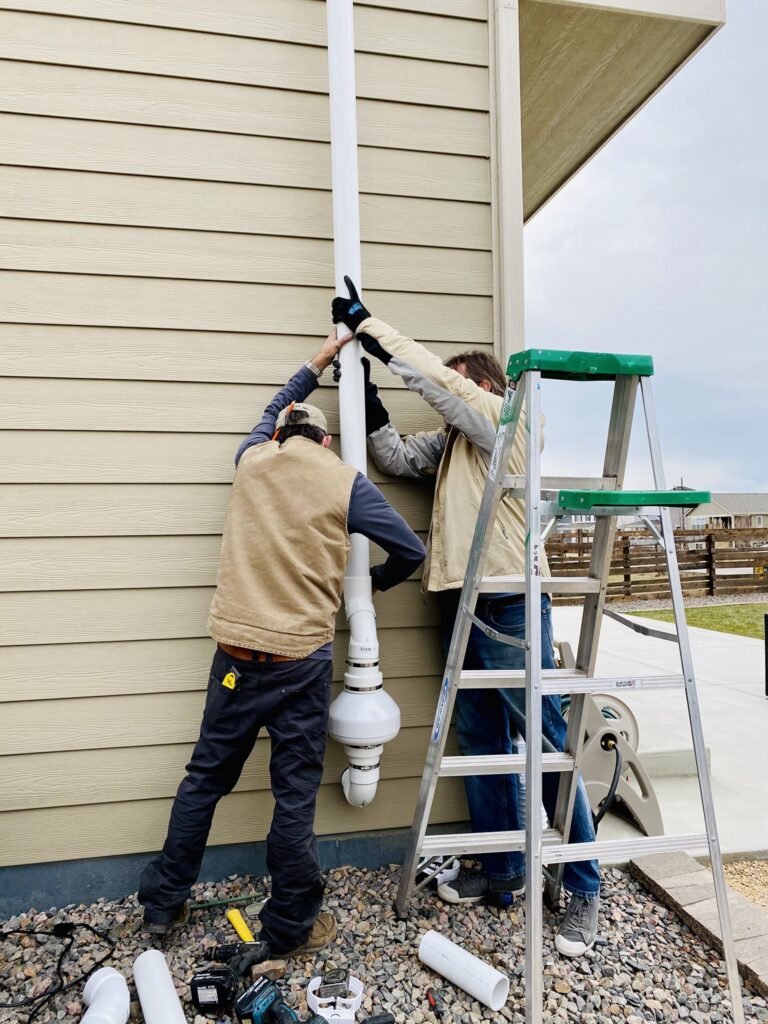
Denver, the Mile High City, is known for its stunning natural beauty, vibrant cultural scene, and outdoor recreation opportunities. However, beneath its picturesque surface, Denver homes often harbor a more sinister secret: elevated radon levels. Radon, a naturally occurring gas, is the leading cause of lung cancer in non-smokers, and it’s a serious concern for homeowners in the Denver area. According to the Colorado Department of Public Health and Environment, nearly 1 in 5 homes in Colorado has radon levels above the recommended safety threshold. Discover expert strategies here to learn how to detect and mitigate radon in your home.
Risks Associated with Elevated Radon Levels
Radon is a colorless, odorless gas that can seep into homes through soil, water, and building materials. Prolonged exposure to elevated radon levels can increase the risk of lung cancer, particularly for smokers and those with pre-existing respiratory conditions. In fact, the Environmental Protection Agency (EPA) estimates that radon is responsible for up to 21,000 lung cancer deaths each year in the United States. Learn about our tailored solutions to help you minimize this risk and protect your family’s health.
How to Detect Radon in Your Home
Testing for radon is a crucial step in determining the level of risk in your home. The EPA recommends using a certified radon test kit, which can be purchased at most hardware stores or online. These kits usually involve placing a small device in the lowest level of the home, usually a basement or crawl space, for a specified period. Explore advanced guides and tips on the Colorado Radon Mitigation website to learn more about the testing process and what to expect.
- Short-term tests: These tests involve placing a device in the home for 2-7 days. They’re suitable for homes with a low risk of radon.
- Long-term tests: These tests involve placing a device in the home for 30-90 days. They’re suitable for homes with a higher risk of radon.
Mitigating Radon Levels in Your Home
If your home tests high for radon, don’t worry – there are effective solutions available. Radon mitigation systems involve sealing entry points, installing a ventilation system, and monitoring the levels to ensure they remain within safety thresholds. Find out more about this approach and how it can help reduce your family’s exposure to radon. The experts at Colorado Radon Mitigation can guide you through the process and ensure your home is safe and healthy.
In conclusion, radon levels in Denver homes are a serious concern that requires attention and action. By understanding the risks, detecting radon levels, and mitigating them, you can protect your family’s health and well-being. Stay informed and take the necessary steps to ensure your home is a safe and healthy environment for years to come.
About the Author