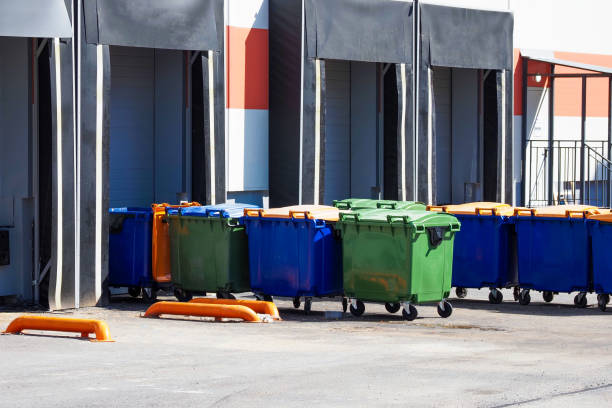
In the fast-paced and ever-evolving world of waste management, commercial waste companies play a pivotal role in ensuring sustainable and efficient waste disposal solutions. As businesses continue to expand and urban areas grow, the demand for reliable and eco-friendly waste management services has never been higher. With an emphasis on innovation and efficiency, leading commercial waste companies are setting benchmarks in the industry by adopting advanced technologies and sustainable practices. This article delves into the key characteristics and strategies that define a leading commercial waste company, providing insights into what it takes to excel in this vital sector.
Key Characteristics of Leading Commercial Waste Companies
Commitment to Sustainability
Leading the industry requires a firm commitment to sustainability. Companies that prioritize eco-friendly practices tend to stand out. This includes:
- Implementing recycling programs to minimize landfill waste.
- Utilizing energy-efficient vehicles and equipment.
- Adopting waste-to-energy technologies to reduce carbon footprints.
To understand more about sustainable practices in waste management, explore further insights here.
Advanced Technological Integration
Technology plays a crucial role in enhancing efficiency and service delivery. Top commercial waste companies leverage technology in the following ways:
- Using GPS and route optimization software to improve collection efficiency.
- Implementing real-time tracking systems to monitor waste collection and disposal.
- Employing data analytics to predict waste generation patterns and optimize operations.
Learn more in this detailed guide about how technology is shaping the waste management industry.
Challenges and Opportunities in the Industry
Regulatory Compliance
Compliance with environmental regulations is a significant challenge for waste management companies. Leading companies ensure adherence to all relevant legislation by:
- Staying informed about changes in waste management laws and policies.
- Engaging in regular training and certification programs for employees.
- Collaborating with regulatory bodies to foster a better understanding of compliance requirements.
For a comprehensive overview of regulatory challenges, find additional information here.
Opportunities for Growth
The commercial waste industry presents numerous opportunities for growth, particularly in emerging markets. Companies can capitalize on these opportunities by:
- Expanding services to underserved regions.
- Investing in new technologies that enhance waste processing capabilities.
- Building partnerships with local governments and businesses to support waste reduction initiatives.
Read more about this topic to discover how companies are leveraging these opportunities for growth.
Future Trends in Commercial Waste Management
The Role of Circular Economy
Embracing the circular economy model is becoming increasingly important. This approach focuses on reducing waste, reusing materials, and recycling resources to create a sustainable loop. Leading companies are investing in:
- Developing products and services that promote resource recovery.
- Partnering with manufacturers to design recyclable products.
- Innovating recycling processes to enhance material recovery.
To understand the impact of the circular economy on waste management, explore further insights here.
Innovation and Collaboration
Innovation and collaboration are essential for driving progress in the industry. Companies are forming strategic alliances and fostering innovation by:
- Collaborating with technology firms to develop advanced waste management solutions.
- Engaging with research institutions to explore new waste processing technologies.
- Creating platforms for knowledge sharing among industry stakeholders.
For more on the importance of collaboration and innovation, find additional information here.
As the commercial waste industry continues to evolve, companies that prioritize sustainability, technological integration, and innovation will lead the way. By understanding the challenges and opportunities in the sector, stakeholders can contribute to a cleaner, more sustainable future.
About the Author