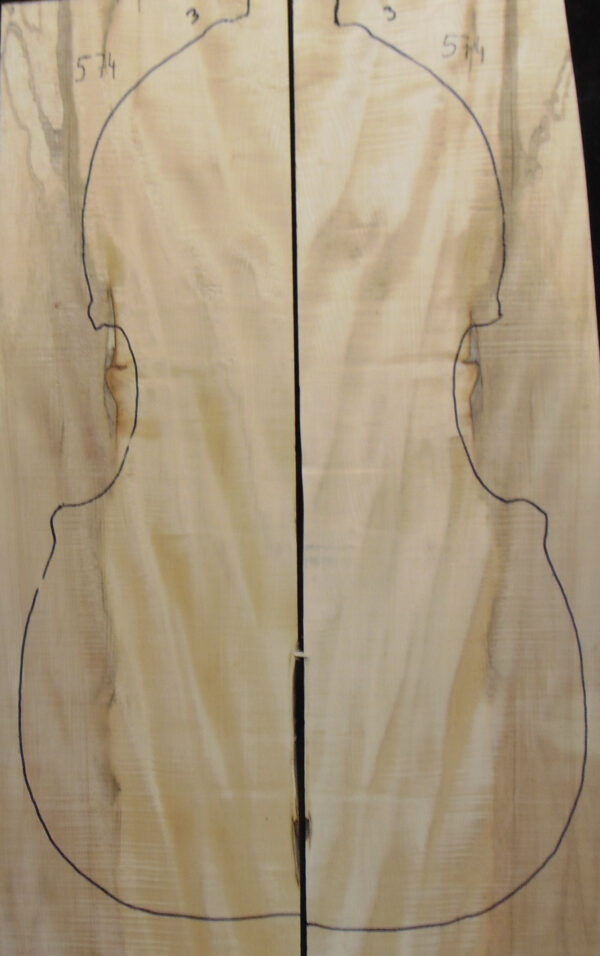
The selection of tonewood plays an integral role in shaping the sound quality of cellos and basses. Just as a painter chooses specific colors for their palette, luthiers “? the craftsmen who build string instruments “? meticulously select woods to create instruments that are not only aesthetically pleasing but also acoustically superior. Tonewood is the heart of an instrument, influencing its tone, resonance, and overall performance. This article explores the critical role of tonewood in enhancing sound quality, focusing specifically on cellos and basses.
The Significance of Tonewood in String Instruments
Tonewood refers to the wood used in the construction of musical instruments, selected for its acoustic properties. For cellos and basses, the choice of tonewood is crucial for several reasons:
- Resonance: Different woods resonate differently, affecting the instrument’s sound projection and sustain.
- Tonal Quality: Each type of wood imparts a distinct tonal quality, influencing the warmth, brightness, and clarity of the sound.
- Durability: Quality tonewoods are not only acoustically superior but also more durable, ensuring the longevity of the instrument.
Types of Tonewoods for Cellos and Basses
Selecting the appropriate tonewood is an art in itself, with various options available for different parts of the instrument. For instance, the spruce top is often used for its light weight and excellent acoustic properties.
Spruce and Its Importance
Spruce is a preferred choice for the top plate of cellos and basses due to its:
- Lightweight Nature: Which allows for better vibration and sound projection.
- Elasticity: Contributing to a dynamic range of sound.
- Even Grain: Providing a consistent and aesthetically pleasing appearance.
The use of cello spruce and spruce tonewood is integral for achieving a balanced and resonant sound.
Maple for the Back and Sides
While spruce is commonly used for the top, the back and sides are typically made from maple. This wood is chosen for its:
- Hardness and Strength: Providing structural support and enhancing the instrument’s durability.
- Visual Appeal: The grain patterns of curly maple tonewood or flamed maple tonewood add to the instrument’s beauty.
- Acoustic Qualities: Maple complements the spruce top, contributing to a rich and full-bodied sound.
The combination of cello maple with a spruce top creates a harmonious balance that is highly sought after in cello construction.
Choosing the Right Tonewood
Selecting the right tonewood involves a balance between aesthetic appeal and acoustic performance. The choice often depends on:
- Personal Preference: Musicians may have specific tonal preferences that dictate their choice of wood.
- Instrument Purpose: Professional performance instruments may require higher quality woods compared to those intended for student use.
- Budget Constraints: While high-quality tonewoods like European maple tonewood can be expensive, they offer unparalleled sound quality and durability.
The Impact of Tonewood on Sound Quality
The selection of tonewood is not just about aesthetics but plays a pivotal role in the sound production of cellos and basses. The right combination of woods can enhance:
- Volume and Projection: Ensuring the instrument can be heard clearly in any performance setting.
- Tonal Balance: Achieving a pleasing balance between bass, midrange, and treble frequencies.
- Dynamic Range: Allowing for expressive playing, from the softest pianissimo to the loudest fortissimo.
Ultimately, the choice of tonewood is a personal decision that reflects the musician’s unique voice and style.
For those seeking to explore a diverse range of tonewoods, the violin wood collections provide an excellent starting point. They offer a comprehensive selection of high-quality options for both novice and experienced luthiers.
About the Author