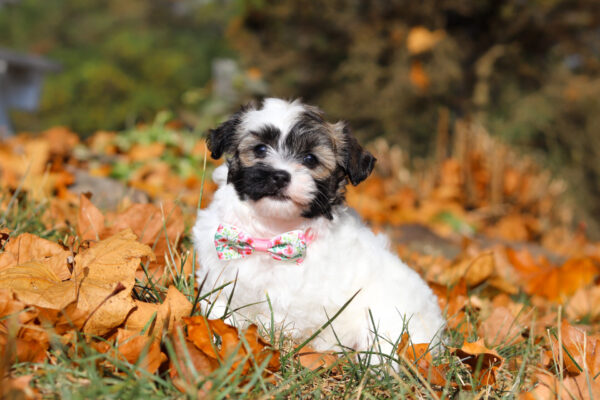
Bringing a new puppy into your home is a joyous occasion, filled with excitement and the promise of new adventures. However, it also comes with responsibilities, one of the most crucial being potty training. Effective potty training is essential to ensure a harmonious living environment and to foster good habits in your growing puppy. This article outlines some practical tips to help you navigate this important training phase with success.
Understanding Your Puppy”?s Needs
Before embarking on potty training, it is important to understand the unique needs and behaviors of puppies. Recognizing the signs that your puppy needs to relieve itself can significantly improve the effectiveness of your training efforts. Common indicators include:
- Sniffing around or circling the floor
- Restlessness or whining
- Sudden changes in behavior
Learn more about this topic by visiting this resource for a comprehensive understanding of puppy behaviors.
Establishing a Routine
Consistency is key when it comes to potty training a puppy. Establishing a regular routine helps your puppy understand when and where it is appropriate to relieve itself. Consider the following steps:
- Take your puppy to the same spot outside each time.
- Feed your puppy at the same times each day to regulate its digestive system.
- Set a schedule for bathroom breaks, especially after meals, playtime, and naps.
Explore further insights here to refine your scheduling approach.
Positive Reinforcement Techniques
Reward-Based Training
Positive reinforcement is an effective way to encourage desired behaviors in puppies. Rewarding your puppy for successfully using the designated potty area can reinforce good habits. Keep in mind:
- Praise your puppy immediately after it finishes relieving itself outside.
- Use treats or favorite toys as rewards for successful potty trips.
- Avoid punishment, which can create anxiety and confusion.
Find additional information here about effective reward-based training methods.
Dealing with Accidents
Accidents are a normal part of the potty training process, especially in the early stages. It is important to handle them calmly and constructively. Consider these strategies:
- Clean accidents thoroughly to prevent lingering odors that may attract your puppy back to the same spot.
- Avoid scolding your puppy after an accident; instead, focus on reinforcing positive behavior.
- Reassess your routine if accidents are frequent, ensuring that your puppy has ample opportunities to relieve itself outside.
For a deeper dive into managing accidents, learn more in this detailed guide.
Monitoring Progress and Patience
Patience and consistency are critical when monitoring your puppy’s potty training progress. Keep track of successful attempts and celebrate small victories. Remember, every puppy is different, and some may take longer to train than others. Consistent application of the training techniques outlined in this article will eventually lead to success.
For additional guidance and support, read more about this topic on this page.
About the Author


