The supplement market is evolving at a remarkable pace, driven by scientific breakthroughs, consumer demand for personalized nutrition, and a growing focus on preventive health. Modern consumers are no longer satisfied with generic multivitamins; they seek targeted solutions that address specific lifestyle challenges, from stress management to joint resilience. This article examines the most influential trends shaping the industry today, offering insight into why certain ingredients are gaining prominence and how formulation strategies are adapting to meet the expectations of a health-conscious audience.
Personalized Nutrition Powered by Data
Advances in genomics and wearable technology have made it possible to tailor supplement regimens to an individual’s unique biochemistry. Companies are leveraging data from DNA tests, blood panels, and activity trackers to recommend precise dosages of micronutrients. This shift from “one size fits all” to “precision dosing” is redefining product development, encouraging manufacturers to create modular supplement lines that can be combined based on a user’s specific profile.
Key Benefits of Personalization
- Improved efficacy through targeted nutrient delivery.
- Reduced risk of over-supplementation and associated side effects.
- Enhanced consumer trust by demonstrating a data-driven approach.
Rise of Plant-Based and Sustainable Ingredients
Environmental concerns are prompting a surge in plant-derived actives and eco-friendly sourcing practices. Ingredients such as algae-derived omega-3s, mushroom extracts, and fermented botanical blends are gaining market share as they offer comparable bioavailability to traditional animal-based sources while reducing carbon footprints. Brands that prioritize sustainability also benefit from stronger brand perception among eco-conscious shoppers.
Popular Sustainable Options
- Algal DHA/EPA – a vegan alternative to fish oil with high purity.
- Reishi and Lion’s Mane mushrooms – adaptogenic compounds supporting immunity and cognition.
- Fermented plant proteins – enhanced absorption through natural prebiotic activity.
Functional Blends for Stress, Sleep, and Immunity
The modern lifestyle places unprecedented demands on mental and physical resilience. As a result, supplement formulations are increasingly incorporating multi-ingredient blends that address stress, sleep quality, and immune support in a single dose. These functional blends often combine adaptogens, melatonin, and immune-modulating botanicals to provide synergistic effects.
Examples of High-Impact Blends
- Adaptogen + Magnesium – promotes calm without drowsiness.
- Melatonin + L-theanine – supports deep, restorative sleep.
- Zinc + Elderberry + Vitamin”?C – a comprehensive approach to seasonal immunity.
Enhanced Delivery Technologies
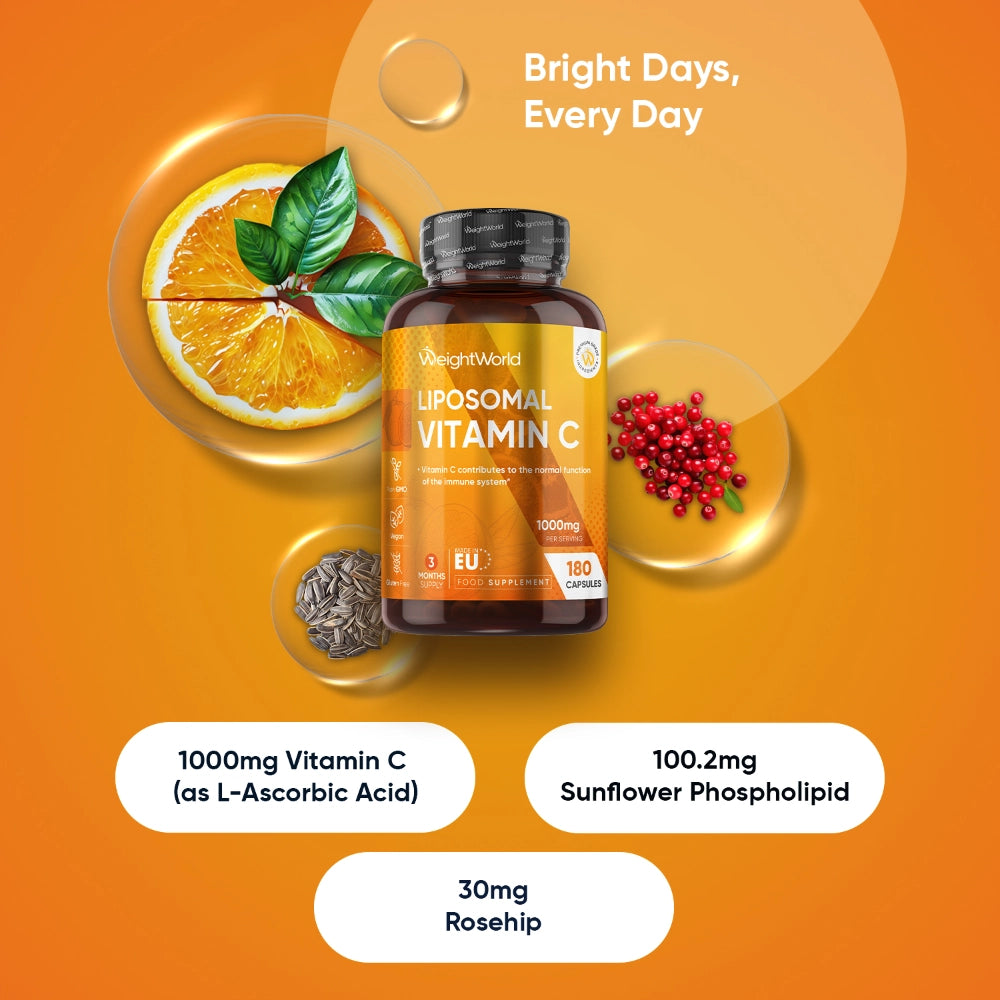
Bioavailability remains a critical challenge for many nutrients, especially fat-soluble vitamins and phytochemicals. Innovative delivery systems such as liposomal encapsulation, nanoemulsions, and time-release tablets are being employed to protect sensitive ingredients from degradation and improve absorption rates. These technologies also allow for lower dosages while achieving the same therapeutic outcomes, which can be attractive to consumers seeking minimal pill burden.
Delivery Formats on the Rise
- Liposomal Vitamin”?C – up to 3-fold increase in plasma concentration.
- Softgel omega-3s with phospholipid carriers – better integration into cell membranes.
- Time-release capsules – sustained nutrient release over 8-12″?hours.
Regulatory Landscape and Quality Assurance
With the rapid introduction of novel ingredients, regulatory bodies in the supplements sector are tightening standards for safety, labeling, and manufacturing practices. Third-party testing, GMP certification, and transparent ingredient sourcing have become essential differentiators. Consumers now expect clear evidence of purity, potency, and compliance, prompting brands to invest heavily in quality control infrastructure.
Critical Compliance Checks
- Verification of ingredient identity through DNA barcoding.
- Heavy-metal and pesticide screening for botanical extracts.
- Stability testing to guarantee potency throughout shelf life.
Future Outlook: Integrating Digital Health Platforms
The convergence of digital health platforms with supplement delivery is poised to create a seamless ecosystem where users receive real-time recommendations, automated refill reminders, and progress tracking. Integration with telehealth services may soon allow clinicians to prescribe personalized supplement regimens that are directly linked to a patient’s electronic health record, further legitimizing the role of vitamins and supplements in preventive care.
Potential Benefits
- Continuous monitoring of nutrient status via at-home testing kits.
- Dynamic adjustment of dosages based on lifestyle changes or health events.
- Improved adherence through subscription models tailored to individual needs.
Conclusion
The landscape of health supplements is being reshaped by personalization, sustainability, functional blends, advanced delivery systems, and stricter quality standards. As the industry continues to innovate, consumers can expect more precise, effective, and environmentally responsible options. Keeping abreast of these trends not only informs smarter purchasing decisions but also underscores the importance of integrating scientifically backed nutrition into everyday wellness routines. For those exploring the market, understanding these developments provides a solid foundation for selecting products that truly align with personal health goals and the broader movement toward evidence-based supplementation in the supplements uk arena.
About the Author