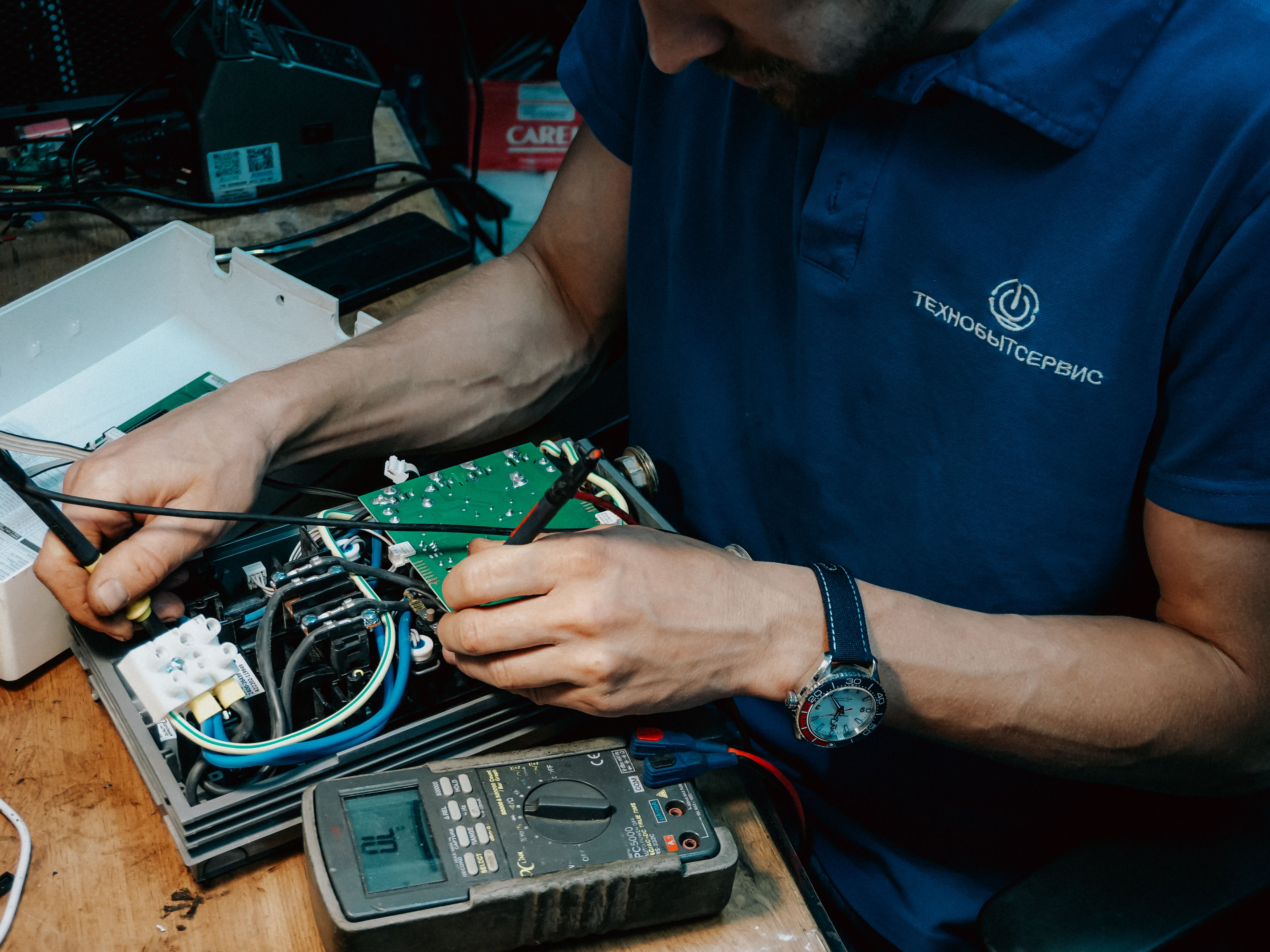
In the realm of industrial operations and infrastructure development, the significance of optimizing performance cannot be overstated. As industries strive to meet increasing demands and challenges, efficiency and reliability become crucial. Electrical field engineering services play a pivotal role in ensuring these objectives are achieved. These services encompass a range of activities, from design and installation to testing and maintenance of electrical systems. By leveraging these specialized services, industries can enhance their operational efficiency, reduce downtime, and ensure safety across their projects.
Understanding Electrical Field Engineering Services
Electrical field engineering services are multifaceted. They involve the application of engineering principles to the design, installation, and maintenance of electrical systems. These services are essential for industries that rely heavily on electrical infrastructure, such as manufacturing, energy, and telecommunications. Read more about this topic.
Key Components of Electrical Field Engineering
The scope of electrical field engineering services includes:
- Design and Consultation: Offering expert advice on the best systems to meet specific operational needs.
- Installation and Commissioning: Ensuring that electrical systems are installed correctly and function as intended.
- Testing and Maintenance: Conducting regular checks and maintenance to ensure ongoing system reliability and performance.
- Troubleshooting and Repair: Diagnosing and resolving issues to minimize downtime and maintain productivity.
For industries seeking to improve their efficiency, these services are indispensable. Explore further insights here.
Benefits of Optimizing Performance with Electrical Field Engineering
Optimizing performance through electrical field engineering services offers numerous benefits:
- Increased Efficiency: By ensuring that all electrical systems are operating optimally, industries can enhance productivity and reduce energy consumption.
- Reliability and Safety: Regular maintenance and testing reduce the risk of electrical failures and ensure compliance with safety standards.
- Cost-effectiveness: Efficient systems require less energy and resources, leading to cost savings over time.
- Scalability: Well-designed systems can be easily scaled up to meet growing demands without compromising performance.
Find additional information here. on the importance of maintaining efficient and reliable electrical systems.
Implementing Electrical Field Engineering Solutions
The successful implementation of electrical field engineering solutions involves several key steps:
Assessment and Planning
Before any installation or upgrade, a thorough assessment of existing systems and operational requirements is essential. This ensures that the solutions provided are tailored to meet specific needs. Industries can learn more in this detailed guide about the assessment process and its importance.
Execution and Monitoring
Once a plan is in place, the execution phase involves the installation and commissioning of systems. Continuous monitoring during this phase ensures that any issues are promptly addressed. This proactive approach minimizes disruptions and maximizes system uptime.
Continuous Improvement
Electrical field engineering is not a one-time solution. Continuous improvement through regular maintenance and upgrades ensures that systems remain efficient and aligned with technological advancements. Explore further insights here on how continuous improvement strategies can enhance operational performance.
Conclusion
In conclusion, optimizing performance with electrical field engineering services is a strategic approach that can significantly benefit industries. By focusing on efficiency, reliability, and safety, these services help in achieving sustainable operations. As industries continue to evolve, the role of electrical field engineering will remain integral in meeting future challenges and demands. For more detailed insights and information, read more about this topic.
About the Author