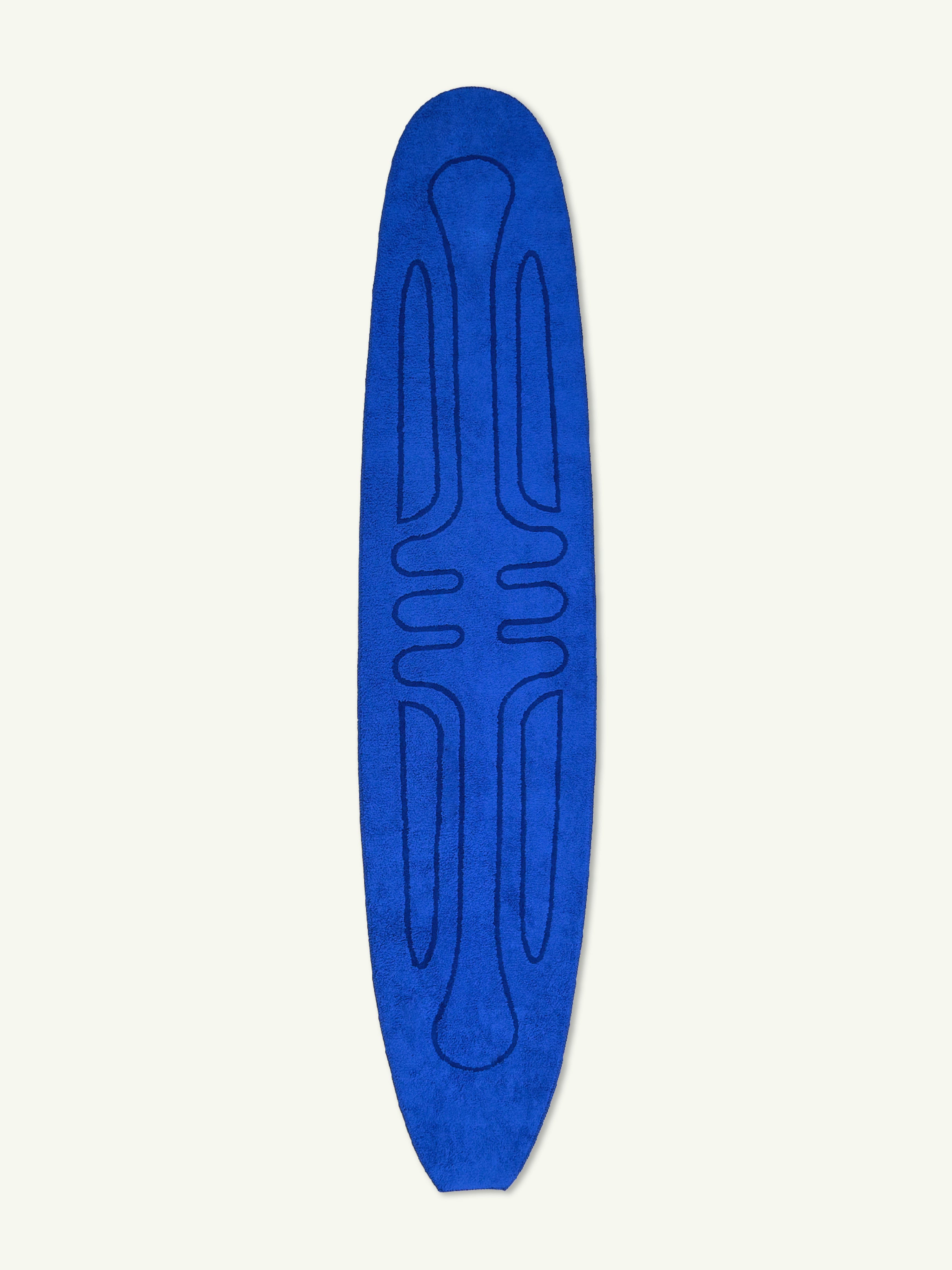
The hallway is often an overlooked area in home design, yet it holds significant potential to enhance the style and functionality of a living space. Long hallway runners serve as a perfect solution to bridge the gap between practicality and aesthetic appeal. These versatile pieces not only protect floors and reduce noise but also add a touch of elegance and warmth to a frequently trafficked area. In order to achieve the maximum benefit from a hallway runner, it is essential to consider factors such as size, material, and design that align with the overall theme and function of your home. This article explores the strategic placement and selection of long hallway runners to ensure they meet both design goals and practical needs.
Understanding the Role of Hallway Runners
Hallway runners are more than just decorative pieces; they play a pivotal role in enhancing the functionality of a passageway. Here are some key considerations:
- Protection and Maintenance: Runners protect flooring from wear and tear, especially in high-traffic areas. They also help in maintaining cleanliness by trapping dust and dirt.
- Noise Reduction: The soft surface of a runner absorbs sound, reducing noise levels in your home.
- Safety Enhancement: Providing a non-slip surface, runners can prevent accidents and provide a safer walking path, especially for children and seniors.
Discover expert strategies here for selecting the right hallway runner to meet these needs.
Choosing the Right Material and Design
Material Considerations
The material of a hallway runner directly impacts its durability, feel, and maintenance requirements. Some popular materials include:
- Wool: Known for its durability and natural resistance to stains, wool is an excellent choice for high-traffic areas.
- Synthetic Fibers: Materials like nylon or polyester offer budget-friendly options with a variety of design choices and easy maintenance.
- Natural Fibers: Options such as jute or sisal provide a unique texture and eco-friendly appeal.
For more information on selecting the right material, learn about our tailored solutions.
Design and Aesthetic Appeal
When choosing a design, it is important to consider the existing decor and personal style preferences. Key design elements include:
- Color Scheme: Opt for colors that complement the walls and furniture for a harmonious look.
- Patterns: Geometric patterns can add a modern edge, while floral or traditional patterns can bring a classic touch.
- Texture: The texture of the runner can add depth and interest to the hallway.
Explore advanced guides and tips on integrating these elements into your design.
Measuring and Placing Your Hallway Runner
Proper sizing and placement are crucial to ensure the runner enhances rather than overwhelms the space. Here are some tips:
- Length and Width: Ensure the runner leaves several inches of visible floor on either side to create a balanced look.
- Alignment: The runner should align centrally along the hallway to guide the eye and foot traffic naturally.
- End Space: Leave a few inches at the end of the hallway for a clean and finished appearance.
Find out more about this approach for measuring and placing your runner accurately.
Conclusion
By carefully selecting and strategically placing a long hallway runner, homeowners can significantly enhance the style and functionality of their home. With a variety of materials and designs to choose from, the possibilities are endless. The right runner can transform an ordinary hallway into a visually appealing and practical space, embodying both elegance and utility. Whether for aesthetic purposes or practicality, investing time in choosing the perfect hallway runner is a decision that will pay dividends in comfort and style. For further insights and a comprehensive selection, explore advanced guides and tips on hallway runners.
About the Author