 alt=’Generated Image’ style=’height:400px; width:600px’ />
Mimosa Hostilis Root Bark (MHRB) powder has gained a reputation for its diverse uses, ranging from natural dyeing to traditional practices. When considering purchasing this unique botanical ingredient, understanding its origins, applications, and quality indicators is essential. This guide provides comprehensive insights into selecting the best MHRB powder, ensuring you make informed decisions that align with your specific needs.
Understanding Mimosa Hostilis Root Bark
Mimosa Hostilis, commonly known as Jurema Preta, is a perennial tree native to the northeastern regions of Brazil. The root bark is prized for its rich tannin content, making it an exceptional natural dye. Additionally, it holds significant cultural and traditional value in various indigenous practices.
Key Characteristics
- Rich in tannins, ideal for natural dyeing.
- Used in traditional herbal practices.
- Known for vibrant color production.
Factors to Consider When Buying MHRB Powder
Before purchasing Mimosa Hostilis Root Bark powder, several factors should be considered to ensure the quality and authenticity of the product.
Source and Origin
The origin of the MHRB powder can significantly influence its quality. Opt for products sourced directly from regions where the tree naturally thrives. Authentic Brazilian MHRB is often preferred for its superior properties.
Quality Indicators
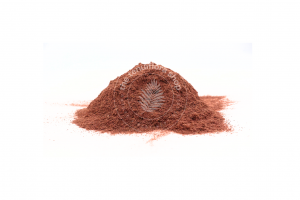
- Color: High-quality MHRB powder should have a deep purple hue.
- Texture: Finely milled powder indicates thorough processing.
- Scent: A distinct woody aroma is a sign of freshness.
For more detailed information on quality indicators, learn about our tailored solutions.
Applications of MHRB Powder
The versatility of MHRB powder extends beyond its traditional uses. Here are some modern applications:
Natural Dyeing
Mimosa Hostilis Root Bark powder is a favorite among artisans for dyeing textiles. Its high tannin content allows for vibrant and lasting colors without the need for chemical additives.
Explore advanced guides and tips for using MHRB powder in natural dyeing.
Traditional Practices
In many cultures, MHRB is used in ceremonial practices and for its purported therapeutic properties. While modern science continues to explore these aspects, its cultural significance remains unchanged.
Purchasing Tips
To ensure you are purchasing genuine MHRB powder, consider the following tips:
- Verify the source: Purchase from reputable suppliers who provide detailed sourcing information.
- Check for certifications: Look for organic or sustainably harvested certifications.
- Read reviews: Customer reviews can provide insights into the quality and authenticity of the product.
Discover expert strategies here to enhance your purchasing experience.
Conclusion
Investing in Mimosa Hostilis Root Bark powder can be a rewarding endeavor when approached with the right knowledge and resources. By understanding its characteristics, verifying quality indicators, and exploring its diverse applications, you can make informed decisions that meet both your practical and creative needs. Whether for traditional practices or modern applications, MHRB powder continues to offer significant benefits. Find out more about this approach and make the most of this unique natural resource.
About the Author